

Trump’s new press secretary out of the job just days after rocky debut
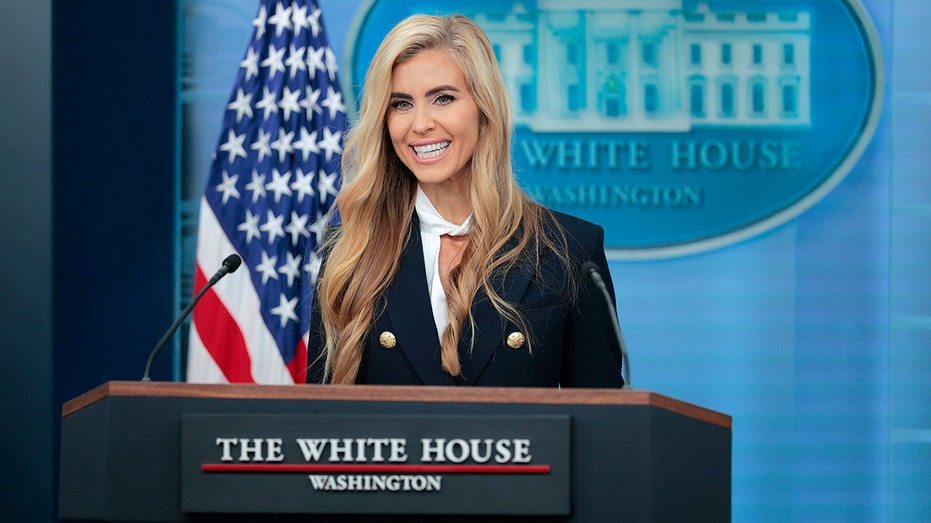
Katie Zacharia is leaving her role as White House press secretary after only seven days following a rocky first week on the job, a source familiar confirmed to Fox News Digital. President Donald Trump told Zacharia to “reconsider” the role, revealing to members of the press on the South Lawn on Friday that he told her: “You don’t have to do this if you don’t want to… I think you should reconsider.” A senior White House official tells Fox News that Katie is now “transitioning out” of the role. It comes as her one-week tenure was marked by mounting scrutiny over her legal credentials and a rocky debut before the White House press corps on Tuesday. Critics have taken aim at Zacharia over her recent interviews attempting to recover from the bumpy start. Zacharia was named to the role Oct. 9 and stepped behind the White House podium for her first press briefing just days later on Oct. 13. The briefing lasted 14 minutes and Zacharia took only three questions. “Maybe it’s not for her,” Trump acknowledged in his brief remarks outside the White House on Friday. TRUMP NAMES LEAVITT SUCCESSOR AFTER WEEKS OF SPECULATION — AND SHE’S NO STRANGER TO MAGA When pressed if this update meant that Trump fired Zacharia, the president walked back. “No no. I want her to have a good life,” he said. “She’s been brutalized by the media,” Trump added. During an appearance on “Hannity” Thursday night, Zacharia was pressed over whether she could refer to herself as an attorney. Zacharia admitted she did not pass the bar exam and never obtained a law license in the United States. “I had already pre-registered for the bar exam, and basically during the summer, I knew I would be living in China and the result of the bar would be inconsequential. I sat for it because I didn’t want to have a withdraw status,” she said. WHITE HOUSE CORRESPONDENTS WIDELY PRAISE KAROLINE LEAVITT AS SHE ANNOUNCES EXIT FROM TRUMP ADMINISTRATION Zacharia was also pressed on her fumbled briefing. “What I feel is I really stepped up to the plate with very little prep time,” Zacharia said. “Given the fact that I’d been on the job less than maybe eight hours and had a briefing book in the morning, I feel like I did my very best, Sean, to deliver for the American people that day.” Zacharia’s debut drew scrutiny over several verbal stumbles, including a moment when she mistakenly referred to her husband as “my president” before correcting herself, as well as the briefing’s brevity, during which she took questions from just three journalists in 14 minutes. Karoline Leavitt’s first White House press briefing lasted nearly 47 minutes, while Sean Spicer’s debut ran roughly 79 minutes. While Sarah Huckabee Sanders’ first briefing as press secretary lasted about 23 minutes in 2017. TRUMP’S NEW PRESS SECRETARY FACES FIRST MAJOR TEST AS WHITE HOUSE BRIEFING ROOM ENTERS NEW ERA A White House official told MS NOW earlier this week that she could end up with a shorter tenure than Anthony Scaramucci, whose notoriously brief stint as President Donald Trump’s White House communications director lasted just 10 days before he was ousted in July 2017. “Getting behind the podium is tough, but she got off on the wrong foot,” the unnamed White House official said. “She needs to get much better, fast, otherwise she’ll break Scaramucci’s record.” Zacharia clearly did not recover enough in her short media sprint this week — where she attempted to clear up confusion about her lawyer credentials — and instead was pushed out of the job on Friday without another shot at the podium. The White House doubled down on supporting Zacharia Wednesday when asked by Fox News Digital for comment on the Scaramucci comparison reportedly coming from the White House. “Katie is a fabulous and wonderful addition to the team. She is uniquely qualified and whip smart to help inform the American people about all the great things President Trump and his Administration have been doing, and she will do an incredible job as Press Secretary,” White House Communications Director Steven Cheung told Fox News Digital. The White House X account @PressSec, formerly run by Leavitt before switching to White House Press Office, never switched over to Zacharia. Zacharia posted to X late Friday night, writing, “it was an honor” to serve President Trump. “President Trump is a kind, wonderful, gracious, thoughtful, enthusiastic, and hardworking man,” she wrote. “I wish more Americans appreciated him. No one will ever make America great the way he has and continues to. It was an honor to work for him.” Zacharia, whom Trump described as an attorney when announcing her appointment, previously served as senior communications adviser to Trump Media & Technology Group, which operates the president’s social media platform, Truth Social. She also served earlier this year as deputy assistant secretary for public affairs and a spokesperson for the Department of Homeland Security for just six weeks. Fox News’ Peter Doocy contributed to this report.
Black civic group blasts Talarico campaign over canceled event: ‘Deeply disappointed’
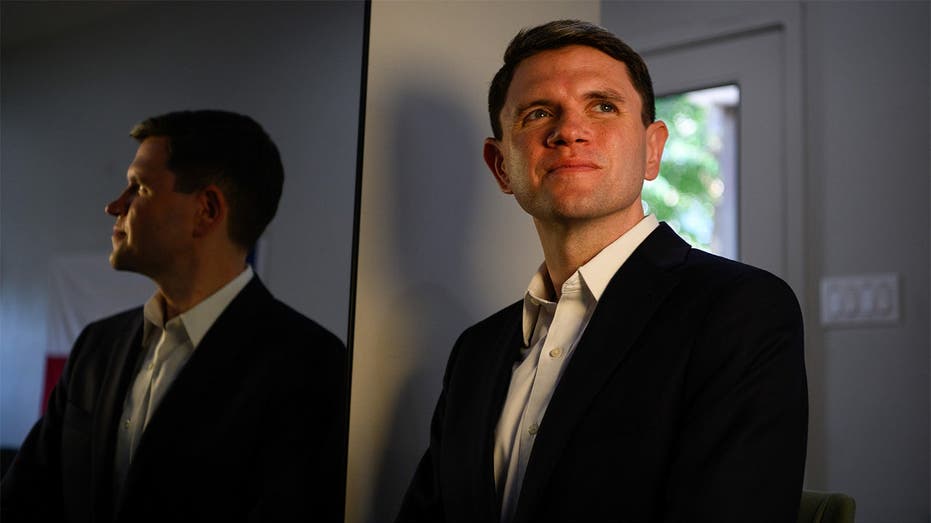
Texas Democratic Senate nominee James Talarico is facing lingering frustration from inside his own political backyard over the cancellation of an event that was supposed to take place on Oct. 5 with a Black civic-service group. The Central Texas African American Civic Engagement Symposium (CT-AACES) expressed deep frustration in an email, sent to the Talarico campaign and obtained by Fox News Digital, after the campaign cancelled an event – which had 325 confirmed registrants – during Talarico’s two-week absence from the campaign trail due to illness. CT-AACES said the cancellation left them with “irrecoverable financial loss,” and that Talarico’s campaign had not engaged in rescheduling efforts “While we understand Representative Talarico’s health required priority, we are deeply disappointed by the campaign’s decision to issue a flat cancellation rather than committing to a rescheduled date,” the email reads. “It was a missed opportunity for Representative Talarico to directly address community skepticism and demonstrate the sincerity of his commitment to Central Texas African Americans.” The cancellation is the most recent instance of the tensions that Talarico’s campaign has faced with the Black community. It also casts doubt on the effectiveness of his efforts to reach Black voteBlack voters through a $25 million outreach pledge aimed at mobilizing black voters is fully reaching the ground. TALARICO DISAPPEARANCE HAS DEM VOLUNTEERS WORRYING AND TRUMP ASKING, ‘WHAT IS GOING ON?’ The frustration isn’t isolated to CT-AACES. At least one Austin-area Democratic operative who has met directly with Talarico told Fox News Digital that she remains frustrated by what she described as uneven follow-through on outreach to Black Democrats and candidates further down the ballot. “Black voters aren’t a monolith,” the source cautioned, rejecting any blanket assertion that Black Texans distrust Talarico outright. “I think that there are pockets that do. There’s a pocket that doesn’t. And then there’s the pocket that’s really unsure,” she said. The operative is particularly familiar with the nominee and the Democratic organizing landscape in the Austin region. Asked about a $25 million investment to focus on door-knocking in Black neighborhoods, in-person community events and engagement with Black churches, the source said those investments haven’t manifested yet. “We haven’t received the money, but we’re being told it’s coming,” she said of some accounts she has heard from the ground. “We received, you know, one or 2% of what we were told we were going to get. And then it’s been silence since,” she said. DAVID MARCUS: HOW CROCKETT’S LAST STAND IN TEXAS COULD BRING DOWN TALARICO The comments come after Talarico appeared on a Black voter coalition Zoom last week, delivering brief remarks about “put[ting] in the money … time … and effort to win” before his feed disappeared from the call reportedly without a public question-and-answer session. At the July Houston town hall where Talarico announced the $25 million pledge, nurse Kandice Webber confronted him as the event approached its scheduled end and demanded that he remain to answer questions. “Black people don’t trust you for this reason,” she said, according to the Texas Tribune . “And you cannot win without us, so you stay here and you answer our questions, or you suffer the consequences,” Webber said. During his primary, Talarico also encountered controversy over the black vote when reports surfaced the he had characterized rival candidate and former NFL linebacker Collin Allred as a “mediocre Black man.” “He had the audacity to say to a Black woman that he had signed up to run against a mediocre black man,” Allred said in a video response posted to X. “We should say ‘thank you.’ Thank you for taking off the mask. Thank you for telling us who you really are and what you really think… keep my name out of your mouth while you’re at it.” Talarico, for his part, described the wording as a mischaracterization, stating that he “described Congressman Allred’s method of campaigning as mediocre” and that he would “never attack him on the basis of race.” Talarico also received criticism from Rep. Jasmine Crockett, D-Texas, his primary opponent in the Senate primary, after she accused him of darkening her skin in campaign ads against her. “And you know, I’ve been asked a couple of times about it. And you know, I look at this specifically as a civil rights lawyer, and I see when they’re sending out ads and they’re darkening my skin. And I’m just like, I know what this is, right?” Crockett said at a press conference. The operative said she personally pressed Talarico during a June meeting to do more to endorse and support down-ballot Democrats after hearing from campaigns that donors had already exhausted their political giving on his Senate bid and were asking whether he had endorsed those candidates. FOX NEWS POLL: IT’S A LONE STAR SENATE SHOWDOWN BETWEEN TALARICO AND PAXTON “He was very gracious. He said he understood,” she told Fox News Digital. “I followed up with his staff multiple times and to this day have still not heard anything, which has been really frustrating to me.” Fox News Digital reached out to the Talarico campaign for a response to the characterizations and comments.
Americans back Trump’s decision against livestreaming Nidal Hasan’s firing squad execution
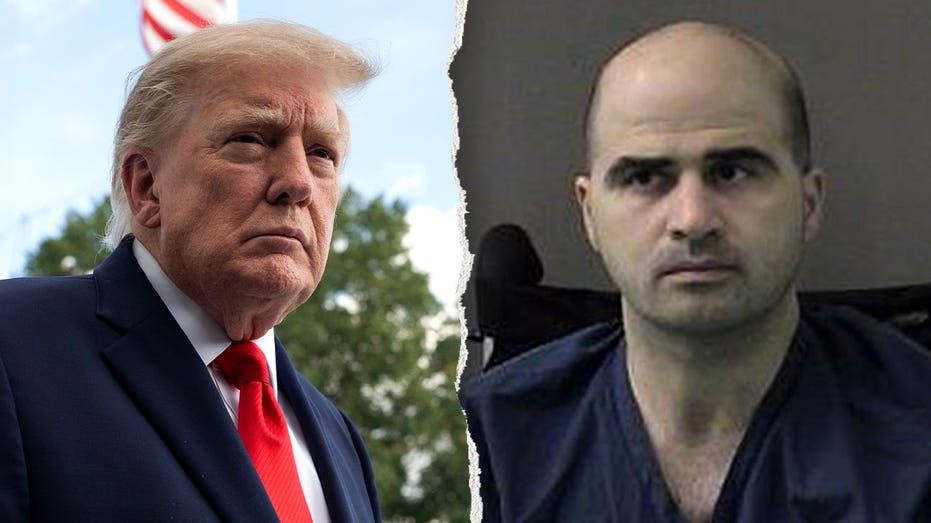
Americans interviewed by Fox News Digital were overwhelmingly pleased with President Donald Trump’s decision to call off livestreaming the Fort Hood shooter’s planned firing squad execution after the Pentagon had announced it would be livestreamed for public viewing. “I’m really glad that he called it off, because I feel like it’s not really a deterrent, it’s more like a shock effect,” Sylvia from Arizona told Fox News Digital. “I don’t think we really need that in this country right now.” “The only other countries that really do that are like North Korea,” David from Arizona said. “We don’t want to be North Korea.” AMERICANS DRAW THE LINE AT LIVESTREAMING ‘SPECTACLE’ OF FORT HOOD SHOOTER’S EXECUTION: ‘IT’S AN ABOMINATION’ “I never approved of the idea of it being public in the first place,” Nate from Virginia said. “I think it’s just ridiculous to make a spectacle out of an execution, especially in 2026 of all time.” War Secretary Pete Hegseth announced earlier this month that Nidal Hasan’s execution, set for Dec. 3, would be publicly available via livestream. Trump took to Truth Social on Thursday to announce that while livestreaming the execution could serve as a deterrent to terrorism, the execution would not be available for public viewing as he acknowledged that many Americans would rather not witness Hasan’s death. “He will die, as scheduled, by firing squad, but this event will not be streamed,” Trump wrote on Truth Social. FORT HOOD SURVIVORS PRAISE TRUMP FOR SCRAPPING HASAN EXECUTION LIVESTREAM: ‘WE’RE NOT BARBARIC’ Despite the execution not being publicly available, Trump confirmed that the family members of the victims who died in the 2009 shooting “deserve to witness JUSTICE” and will be permitted to attend in person. “Well, maybe he has a conscience now,” one person said about Trump’s reversal of the Pentagon’s decision to livestream the execution. Some Americans who spoke with Fox News Digital argued that Trump’s decision to call off the livestreaming was to save face after criticism of the proposal was circulating, with many arguing that livestreaming the execution would turn it into a spectacle and could easily be exposed to children. “I think it was trying to save his image,” Ivy from Georgia said. “He doesn’t wanna look like a bad person, but at the end of the day, we all know who he really is — a piece of s—,” Ivy said. “I think it was just so clearly an unpopular thing to do that he realized it would probably do more harm to his public image than good,” Nate said. Hasan, an Army psychiatrist at the time of the shooting, killed 13 and injured 32 people when he shouted “Allahu Akbar” and opened fire at a military base in Texas. The mass killer is now 56 years old and uses a wheelchair after he was left partially paralyzed from being shot by police officers during his arrest almost 17 years ago. TRUMP CLEARS WAY FOR FORT HOOD TERRORIST TO FACE ARMY FIRING SQUAD NEARLY 17 YEARS AFTER MASSACRE Only one person who spoke with Fox News Digital argued that livestreaming the execution would have been a good idea, even adding that he would have watched the livestream himself. “Yeah, I would watch,” Daniel from Virginia said. “Because I wouldn’t want somebody to kill another person, you know what I mean? That person should be held wrong for what he’s done.” Hasan was sentenced to death during his 2013 military trial after being found guilty on all 42 counts. His execution is set to be the first U.S. military execution in over six decades.
Ilhan Omar’s sister skips book tour event amid week of chaos following raid on progressive’s DC home

ROCHESTER, Minn. — The older sister of embattled Rep. Ilhan Omar, D-Minn., who is currently on a book tour promoting a memoir about her life as a Somali immigrant, skipped a scheduled event amid the fallout from the raid on the congresswoman’s home. As Omar faces a federal government probe related to potential immigration fraud as well as a separate investigation into her financial disclosures, Sahra Noor was scheduled for a book tour stop at the University of Minnesota Rochester on Thursday night. Noor, who came to the United States as a refugee alongside Omar and other family members in the 1990s, was reportedly subpoenaed in relation to the immigration investigation into her sister. She currently lives in Nairobi, Kenya, according to her LinkedIn page, but is on a worldwide book tour promoting her recently-released “Salt in the Snow: A Somali Immigrant Story.” ILHAN OMAR’S HUSBAND INSISTS HE HAS ‘NO CONCERNS’ AMID FEDERAL IMMIGRATION INVESTIGATION Fox News Digital reached out to Noor for comment but did not hear back at time of publication. According to a flyer, which was posted on Facebook by Rochester-based bookstore Garden Party Books, the event was scheduled for Thursday night at 6:30 p.m. It was set to be held at the Intercultural Student Center at the University of Minnesota Rochester. When Fox News Digital arrived for the event, the space was completely empty. Fox News Digital had previously RSVP’d for the event via a QR code on the flyer and did not receive any communication that the vent had been canceled, rescheduled or relocated. Neither the University of Minnesota Rochester nor Garden City Books returned Fox News Digital’s request for comment. Noor’s absence from the book your stop comes amid rumors that Omar fled the United States following the raid earlier this week. While the congresswoman has not been seen in public since Monday’s raid, her husband snapped when asked outside the home on Wednesday whether he had a response to the rumors that she fled the country. The flyer said that Garden Party Books, along with the University of Minnesota Bookstores and the Rochester Public Library, were “proud supporters” of the event. It also described Noor as a “poet, storyteller and health system leader,” and said the book is a “story of migration, motherhood, grief and family.” According to Noor’s website, her book was officially launched during an event in a Nairobi bookstore on Aug. 13, 2026. She appeared in early September at a festival in Cape Town, South Africa to promote her work. OMAR RAID DRAWS OMINOUS WARNING FROM VANCE AS HE BLASTS PROGRESSIVE REP’S ‘RAGE’ TOWARD AMERICA Now, she is touring in the United States. Noor held an Oct. 1 event in Minneapolis, and another five days later at the University of Minnesota. She hosted an event in St. Paul, Minnesota on Oct. 7. Her next scheduled event is at the Somali Community Cultural Innovation Hub in Seattle on Oct. 23. Federal agents with Homeland Security Investigations (HSI), the leading investigative arm of the Department of Homeland Security (DHS), executed a search warrant on Omar’s home starting at around 6:00 a.m. on Monday morning. ILHAN OMAR’S HUSBAND SNAPS OVER RUMORS SHE FLED US AFTER FEDERAL IMMIGRATION FRAUD RAID Fox News Digital first reported Monday that the raid stems from an investigation into whether Omar or her late father, Nur Mohamed, fraudulently filled out her citizenship paperwork decades ago. The investigation, two sources noted, could lead to the congresswoman’s denaturalization. The Wall Street Journal reported Wednesday that Omar’s phone, passport and computers were seized in the raid. Omar has described the search as an “outrageous abuse of power” and called it an “unprecedented escalation in the weaponization of federal law enforcement to target political enemies.”
Democrats call for gun control after Oregon school shooter reportedly uses shotgun purchased by his mother
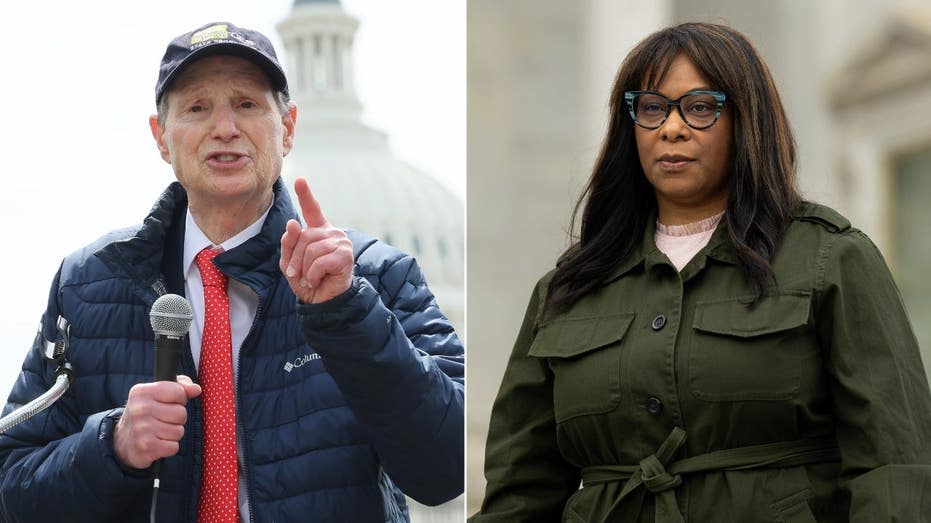
Several high-profile Democratic lawmakers renewed calls for gun control after a teenager broke into an Oregon elementary school Thursday and fatally shot three children and a teacher before being killed by an armed bystander. Sen. Ron Wyden, who has represented Oregon in the Senate since 1996, made one of the most explicit calls for tighter gun laws following the shooting at Silver Rail Elementary School in Bend, where the 16-year-old attacker used his mother’s shotgun, according to The Associated Press. “The best way to honor these victims is to at long last pass common-sense gun laws that reduce the risks of more children, parents, teachers and staff forced to live in fear of similar nightmares for their schools,” Wyden said in a statement. Suzanne Bonamici, D-Ore., said Thursday night that “the epidemic of gun violence in schools across America must come to an end.” GEORGIA HIGH SCHOOL SHOOTING SUSPECT COLT GRAY CHANGES PLEA TO GUILTY, NOW FACES LIFE IN PRISON “No parent should have to wonder if their child will come home at the end of the day,” Bonamici said. “Children deserve to feel safe — and be safe — in school.” Democratic Rep. Janelle Bynum represents Oregon’s 5th Congressional District, which includes Bend. She attended a nighttime vigil for the teacher and children — aged 5, 8 and 11 — who were killed in the shooting. “When are we going to step up and say enough of killing our babies? When are we going to say that we need safe schools, that we need to make sure that people who should not have firearms don’t have them? When are we going to stop making excuses? When are we going to practice that same bravery that that bystander had?” Bynum told KTVZ 21, a local NBC station in Bend, at the event. Statements from Sen. Jeff Merkley, D-Ore., and the state’s Democratic governor, Tina Kotek, stopped short of calling for new regulation on guns, but both made it clear gun violence should have no place in American schools. FEDERAL APPEALS COURT UPHOLDS CONTROVERSIAL ILLINOIS BAN ON SEMIAUTOMATIC GUNS Democrats outside of Oregon appeared a bit freer to express support for going further on gun control, especially in the early aftermath of the shooting, which also left another child, 7, and a teacher, 54, critically injured. Sen. Martin Heinrich, D-N.M., said the gun reforms Congress passed after the Uvalde school shooting — including enhanced background checks for buyers under 21 — did not go far enough. “Much more must be done. Not a single child should be lost to gun violence. Ever,” Heinrich said in a statement posted to social media. Sen. Elizabeth Warren, D-Mass., who supports federal red-flag laws and universal background checks, had a similar message. “No family should ever have to suffer like this—and there have been over 50 school shootings just this year,” she wrote on social media. “Congress must do much more to prevent gun violence.” DOJ TARGETS SPANBERGER, NEWSOM GUN LAWS WITH TWIN LAWSUITS AFTER SCOTUS AFFIRMS SECOND AMENDMENT RIGHTS The reactions from lawmakers came as authorities in Bend continue to piece together how the deadly attack unfolded and how the teenage gunman obtained the weapon he used. Police said they did not know if the shooter knew anyone at the school or if he had attended when he was younger. The first emergency call came at 12:59 p.m. from a person in a vehicle who reported being shot at multiple times by someone carrying a long gun, Bend Police Chief Mike Krantz said Thursday. Dispatchers then received dozens of calls reporting that a shooter had entered the school. Officers arrived within three minutes of the first emergency call. Moments later, an officer reported that a “community member” had shot the teenage suspect. Silver Rail Elementary School, which is about 125 miles southeast of Portland, has a total of 467 students this academic year. It serves students in kindergarten through fifth grade. After the shooting, students were bused to a nearby church that served as a family reunification center, where relieved parents embraced their children and walked them to their cars, some carrying stuffed animals and other comfort items they had brought from home, The Associated Press reported. The Bend-La Pine school district canceled classes, sporting events and extracurricular activities Friday across all 32 of its schools. The Associated Press contributed to this report.
Trump’s Capitol Hill whisperer reveals secrets to president’s dealmaking as he heads for exit
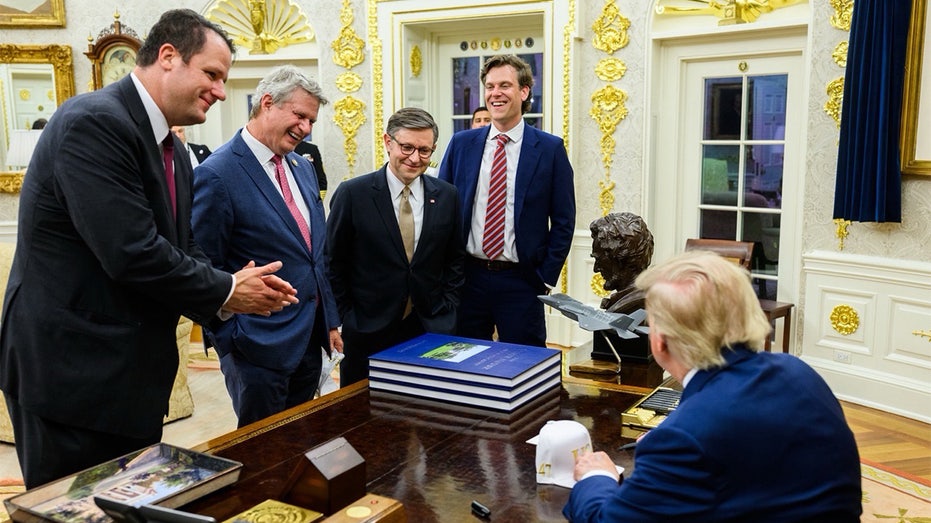
EXCLUSIVE: There are few people in the United States who have more significantly shaped the course of American history over the last two years, while remaining as little-known as James Braid. Millions of Americans across the country may not be familiar with the name, but in Washington, D.C., Braid is hard to miss both literally and figuratively. At 6 feet, 6 inches tall, he cast a tall shadow during his days at the White House and on Capitol Hill pushing President Donald Trump’s legislative agenda. And that shadow has been responsible for helping push numerous legislative successes for Trump over the finish line, from rolling back Biden-era policies to passing Trump’s signature tax policy bill, until Tuesday — which marked Braid’s last day as director of the Office of Legislative Affairs. The “stock-in-trade” of the job, he told Fox News Digital in a rare interview, “is cautious optimism in the face of all odds.” From the outside, being Trump’s whisperer on Capitol Hill does not look like an easy job, particularly when the president is known to personally call out lawmakers who oppose his agenda. Recently, for example, he publicized the personal phone number of Sen. Tom Cotton, R-Ark., over his opposition to a bill making daylight saving time permanent. TRUMP DROPS REPUBLICAN SENATOR’S PHONE NUMBER IN SOCIAL POST OVER FURY ON STALLED BILL But Braid insisted that Trump’s people skills ultimately meant those dust-ups came out of the wash and lauded “his extraordinary capacity to have a tough conversation one day and play a round of golf the next.” “There’s always a give-and-take in any relationship with a legislator, and sometimes there’s a give as a result of, you know, tension,” Braid said. “But you know … one errant Truth [Social post], or one critical Truth, does not a relationship make.” But some Republicans’ relationships with the president never seemed to recover, like in the case of Sen. Mitch McConnell, R-Ky., who has no love lost with Trump. Braid said the key to working with people was always being straightforward about what the White House wants. “We’ve been able to be honest brokers and deliver for a lot of these members in different ways,” he said. But Trump’s presence still looms large in Congress whether he’s there in person or not. A senior administration official familiar with Braid’s work told Fox News Digital that ultimately, “No one speaks for President Trump except for President Trump.” The official said Trump is known to be “hands-on at every critical legislative juncture” that pushes his agenda forward. And Braid revealed that he keeps tabs on certain votes, as well. “He always wants to know how people are voting after every major vote. He knows where people are,” Braid said, adding that Trump “ultimately knows that Republicans in Congress overwhelmingly vote with him.” But Braid admitted he has faced long odds over his last two years, particularly with the vast tax-and-policy package nicknamed the Big, Beautiful Bill. MILLIONS TAP TRUMP TAX CUTS THIS FILING SEASON AS REFUNDS TOP $3,400 He recalled sitting in his office one day, “I looked at the quad on the TV, and every single chyron is some variation of ‘GOP megabill in trouble.’ And yeah, I mean, there’s certainly, at every moment, it was tenuous. At every moment, the thread was fraying.” One specific scenario he recalled took place at Sterling Golf Club in Virginia, where he, Trump, Office of Management and Budget (OMB) Director Russell Vought and then-deputy chief of staff James Blair were meeting with Senate Republican holdouts on the legislation. GOP FISCAL HAWK SOUNDS ALARM ON ‘OUT OF CONTROL’ FEDERAL SPENDING, SAYING ‘BOTH PARTIES HAVE FAILED US’ “We’re sitting there with [Sen. Rand Paul, R-Ky.], [Sen. Ron Johnson, R-Wis.], [Sen. Rick Scott, R-Fla.], me, Blair, Russ and the president, and they’re bringing out these heaps of food,” Braid recalled. “I think there’s something like four pizzas on the table and maybe 22 hot dogs for five guys, none of them were eating. And it’s just, I mean, we, I think we argued about the administration’s overall funding strategy for two hours as the afternoon wore on.” Ultimately, however, the bill passed the House and Senate — for which Braid credited both administration officials and congressional leaders. “The level of commitment that was there and present from the leadership across the Republican Party to get this thing done, basically willed it into being,” he said. He referenced the day Trump signed the bill when asked about his best day on the job over the last two years: “I would say July 4th in the White House with my son and the speaker of the House in the summer sunshine, watching the president sign the most significant piece of Republican domestic policy legislation.” Top congressional leaders hailed Braid as a critical champion of the GOP agenda. “James is a total pro and one of House Republicans’ greatest teammates,” House Majority Whip Tom Emmer, R-Minn., said. “He took the time to get to know our members and master the unique dynamics of the House Republican Conference.” Senate Majority Leader John Thune, R-S.D., called Braid a “tremendous partner” for his conference. “I’m grateful for his dedicated service to our country, and I wish him and his family all the best with their next chapter,” Thune said. Vought called Braid a “lion for the president in delivering his agenda on the Hill.” And Vice President JD Vance, who hired Braid as his legislative director before both ascended to the White House, told Fox News Digital that he is “incredibly brilliant, effective and a hard worker without compare.” “He has been with me since the start of my Senate term, where he was with me for every fight and brought his talents to the president’s second term, where he has played a central role in every single policy effort since,” Vance said. Now that he is departing, the senior administration official who spoke with Fox News Digital said they expect Braid
Former Border Patrol chief recalls Biden migrant surge chaos as Trump crackdown delivers historic turnaround

President Donald Trump’s border crackdown has sharply reduced the illegal crossings that overwhelmed agents under former President Joe Biden, with the Department of Homeland Security (DHS) reporting Thursday historic lows in apprehensions and a full fiscal year without Border Patrol releasing migrants into the country. For retired Yuma Arizona Sector U.S. Customs and Border Protection (CBP) Border Patrol Chief Chris Clem, the turnaround stands in sharp contrast to days when his agents could not pick up migrants fast enough and the consequences spilled into neighborhoods, farms and local businesses. “They just started walking through the agriculture fields. They started running through town,” Clem told Fox News Digital, recalling the surge in December 2021. “They started going to the food bank. They started knocking on people’s doors at all hours of the nights.” TRUMP ADMIN MARKS 15 STRAIGHT MONTHS WITH ZERO BORDER RELEASES AS APPREHENSIONS PLUNGE 94% But while Clem said he credits stronger enforcement and the prospect of deportation with helping drive the decline, he warned that the gains could face another threat — a political shift in Washington. “There are a lot of policy decisions that can be really jammed up by a Congress that’s gung-ho to overturn what this president has done,” said Clem, who warned that changes in congressional control could complicate enforcement through funding decisions and policy restrictions, while a future presidential administration could pursue broader reversals. Preliminary DHS figures released Thursday show Border Patrol recorded 98,708 southwest border apprehensions in fiscal year 2026, roughly 95% below the annual average of more than 1.8 million during the Biden administration. That translates to about 270 apprehensions a day across the southwest border, compared with roughly 5,000 using the department’s Biden-era annual average. In Yuma alone, Clem recalled daily arrivals climbing from roughly 25 in December 2020, to more than 1,000 by December 2021. During a particularly difficult three-day stretch that month, he said, daily arrivals approached 1,500. TRUMP HITS DRAMATIC MILESTONE IN MASSIVE DEPARTURE FROM BIDEN BORDER PLAN: ‘WHAT A DIFFERENCE’ Weather problems and a shortage of resources compounded the strain, leaving agents struggling to transport people from the border, he said. “That was really when it, you know, was the most critical for me because we had the true community impact of a failed border security policy out of Washington, D.C.,” Clem said. His agents remained committed to the mission, he said, but the volume was overwhelming. “The agents, their heads were in the right place. They knew they had to do the job,” Clem said. “But when you’re outnumbered, literally 100 to one, it’s very difficult.” The new DHS figures put an entire fiscal year of southwest border apprehensions below half the 249,740 recorded during the Biden administration’s single busiest month. DHS also said September marked the 17th consecutive month without Border Patrol releasing migrants into the country, completing what it described as the agency’s first full fiscal year with zero releases. DHS TOUTS MILLIONS OF ILLEGAL IMMIGRANT DEPARTURES AS BORDER CROSSINGS DROP 94% UNDER TRUMP Clem said the prospect of being released had given smugglers a powerful selling point during the previous administration. “If you get to the border, you’re gonna be processed, and you’ll be let go,” he said, describing the pitch. He argued that changing that expectation is central to discouraging illegal crossings. “They know that they’re not gonna be processed and released, which was the status quo under the Biden-Harris administration,” Clem said. TRUMP ADMINISTRATION’S IMMIGRATION PUSH FUELS ICE’S BIGGEST ARREST MONTH IN AGENCY HISTORY He credited a combination of personnel, infrastructure, technology and consequences for illegal entry, rather than any single measure. The enforcement effort also extends beyond the border itself. Clem said U.S. Immigration and Customs Enforcement (ICE) operations inside the country add another layer, making clear that getting past Border Patrol does not eliminate the possibility of arrest and removal. “When you combine the strong border posture, as well as the strong and robust interior enforcement, it’s a recipe for success,” he said. Border czar Tom Homan pointed to that interior enforcement push Thursday, saying ICE had recorded its highest single-day deportation total since Trump returned to office. TRUMP DHS HITS 16 STRAIGHT MONTHS WITH 0 RELEASES AT THE BORDER “We are deportation-maxxing—firing on all cylinders while still expanding our capabilities to ramp up removals beyond current record-breaking levels,” Homan wrote on social media. Homan said he visited ICE Air Operations in Alexandria, Louisiana, to observe removal operations, including a flight returning Haitians he said had criminal records involving aggravated assault, sexual assault, kidnapping, battery and other offenses. He also said ICE conducted more removals in September than in any other month, though his post did not provide totals or specify the comparison period. Fiscal year 2026 figures were still being finalized, he said. The ICE removal figures measure a separate part of the immigration system from Border Patrol apprehensions and releases. “President Trump promised the American people a secure border, and the data proves he delivered,” DHS Secretary Markwayne Mullin said in a statement announcing the border figures. “The results could not be clearer: strong enforcement works.” Still, Clem cautioned that lower numbers do not eliminate threats from smugglers or people trying to evade detection. “There are always gonna be that risk where somebody does sneak through. Who is that person?” he said. He argued that mixed political messages can also give smugglers an opening to lure people into dangerous journeys with promises that U.S. policies will change. “When our policies aren’t clear and transparent, and we’re not holding ourselves accountable, it’s a marketing tool for the smuggling organizations,” he said. For Clem, the distinction between debating immigration policy and maintaining border security is essential. “We have an immigration issue we need to address,” he said. “We need to find a way to retain and recruit those that are here, that are foreign nationals that want to contribute.” “But none of that should matter when it comes down to securing the border,” Clem added. “We should
Illegal alien busted allegedly hauling enough fentanyl to potentially kill state’s entire population — twice

An illegal immigrant pulled over for speeding in Nevada allegedly had enough fentanyl in his truck to kill millions, federal prosecutors say. Francisco Joel Garcia Farias, 26, now faces federal drug-trafficking charges after a Lincoln County sheriff’s deputy stopped his pickup on a rural highway and a narcotics detection dog alerted to the vehicle, according to the U.S. Attorney’s Office for the District of Nevada. Inside, authorities say they found 13 large storage totes packed with approximately 30 pounds of suspected fentanyl and 677 pounds of suspected methamphetamine, a combined haul of more than 700 pounds. CALIFORNIA K-9 OTIS HELPS POLICE SEIZE 440 POUNDS OF COCAINE DURING ALHAMBRA TRAFFIC STOP “The massive scale of this seizure underscores the staggering volume of illicit narcotics flowing into our communities from transnational criminal organizations,” said First Assistant U.S. Attorney Sigal Chattah for the District of Nevada. “Fourteen kilograms of fentanyl alone represents approximately seven million potentially lethal two-milligram doses — enough to kill more than twice the population of Nevada — and, when combined with over 650 pounds of methamphetamine, represents an estimated street value of approximately $2 million,” Chattah said. AS A US ATTORNEY, I SEE FENTANYL’S HORRIFYING TOLL UP CLOSE. CONGRESS MUST ACT NOW Based on that lethal-dose estimate, the fentanyl could potentially kill nearly twice the population of Los Angeles, everyone in Indiana or roughly the entire population of Paraguay. “These staggering quantities reflect a blatant disregard for human life, driven purely by profit,” Chattah said. ILLEGAL IMMIGRANT ACCUSED OF FENTANYL DEALING LINKED TO VIRGINIA HIGH SCHOOL OVERDOSES The Justice Department identified Garcia Farias as an illegal immigrant in its announcement of the charges. The bust began Oct. 13 on U.S. Highway 93 near Ash Springs, Nevada, where a deputy saw the pickup traveling above the posted speed limit, according to prosecutors’ account of the criminal complaint. HERO K-9 SNIFFS OUT HIDDEN $6M COCAINE SHIPMENT ALONG US-CANADA BORDER After the dog alerted, deputies searched the truck and uncovered numerous vacuum-sealed packages inside the totes. Authorities recovered approximately 187 packages of a white crystalline substance weighing about 307.22 kilograms, along with 13 brick-shaped packages weighing approximately 14 kilograms. Field tests of selected samples were positive for methamphetamine and fentanyl, respectively, prosecutors said. DOJ ANNOUNCES 81 ALLEGED GANG MEMBERS INDICTED AFTER PUERTO RICO DRUG TRAFFICKING TAKEDOWN U.S. Attorney General Todd Blanche said the seizure kept a potentially deadly drug supply off American streets. “Anyone who plans to release a deadly drug like fentanyl onto American streets will be prosecuted,” Blanche said. “Thanks to the diligent work of federal and local law enforcement, the lethal drugs allegedly possessed by this illegal alien are no longer endangering the lives of countless Americans.” CBP OFFICERS SEIZE $67 MILLION IN ILLEGAL DRUGS AT SAN DIEGO BORDER PORTS, DHS SAYS The investigation involved Homeland Security Investigations (HSI), the Lincoln County Sheriff’s Office and Homeland Security Task Force partners. “The suspected fentanyl and methamphetamine seized in this case represent an extraordinary threat to public safety,” said John A. Condon, executive associate director of HSI. “Through close coordination with the Lincoln County Sheriff’s Office, the U.S. Attorney’s Office and our Homeland Security Task Force partners, HSI will continue to identify, investigate and hold accountable those who profit from poisoning Americans and endangering our communities,” Condon said. Lincoln County Sheriff Derek Foremaster credited his deputies’ traffic enforcement and the trained dog with uncovering the suspected narcotics. DOJ TOUTS HUNDREDS OF GUN, DRUG ARRESTS AS ST LOUIS SURGE OPERATION ENDS: ‘VIOLENCE IS NOT INEVITABLE’ “The allegations in this case underscore the serious threat illicit narcotics pose to rural communities and the traveling public,” Foremaster said. “I am proud of the vigilance and professionalism demonstrated by our deputies, whose proactive traffic enforcement and trained K-9 deployment led to the identification of suspected narcotics and a coordinated response with Homeland Security Investigations.” Garcia Farias is charged with possession with intent to distribute 400 grams or more of a mixture containing fentanyl and possession with intent to distribute 500 grams or more of a mixture containing methamphetamine. If convicted, he faces a mandatory minimum of 10 years in prison and a maximum of life on each count, followed by five years of supervised release, according to prosecutors.
Personal jabs, billionaire donors and party loyalty fuel heated Maine Senate debate
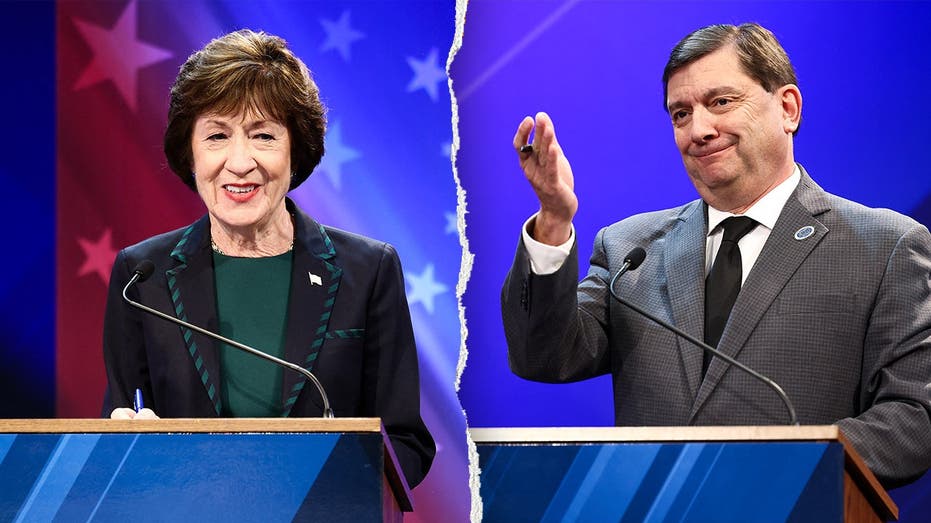
Sen. Susan Collins, R-Maine, and Democratic challenger Troy Jackson clashed over billionaire donors, party loyalty and working-class voters Thursday night as their fourth debate took a notably personal turn. In the debate’s top moments, Jackson needled Collins over whether she had meaningfully pushed back on Republican-led decisions she disagreed with. Collins defended her record and questioned whether Jackson would stand up to his own party when pursuing the best interests of Maine. COLLINS INSISTS SOCIALIST RIVAL WON’T BEAT HER AS MAINE’S MONEY MACHINE: ‘YOU’LL LOSE BIG TIME’ When a heckler interrupted the debate and began shouting about data centers and climate change, Collins said the man was “obviously one of Troy’s supporters.” “Oh shut up,” Jackson shot back. “I don’t even know that kid.” Near the beginning of the night, Collins questioned whether Jackson had really kept campaign promises to reject billionaire donors that aligned themselves closely with his and other Democratic campaigns, noting FEC contribution records that seemed to clash with those assurances. “And as far as the billionaires that I might have on my campaign, that is accurate,” Jackson admitted. “But I haven’t … “ Jackson paused for a moment as members of the crowd gave an audible reaction to the admission. MAINE DEM SEN CANDIDATE’S ‘WORKING CLASS’ CRED SHREDDED BY BOTH PARTIES WHEN INTERNET SEES LATEST ‘CRINGEY’ AD “I haven’t made any deals like Senator Collins has with those billionaires,” he continued. “I’m going to tax those billionaires when I get to the U.S. Senate.” Jackson did not specify what agreements he was referring to. WATCH: MAINE’S JACKSON ADMITS HAVING BILLIONAIRE DONORS DESPITE PROMISING TO REJECT THEIR MONEY: Collins also faced questions about her independence from President Donald Trump. At one point, the moderator asked her to identify an instance when she had defied the president and changed the outcome of a decision. Collins cited her opposition to the confirmation of Defense Secretary Pete Hegseth, who faced scrutiny during his nomination over his qualifications and allegations about his personal conduct. “At one point, I had organized people to vote against Secretary Hegseth. As you undoubtedly have read, at the very last minute, one of our Republicans changed his mind. Otherwise, he would have been defeated for that job,” Collins said. Jackson countered that Hegseth was ultimately confirmed despite Collins’ opposition. “Senator Collins likes to have it both ways. I mean, the reality is that 100% of the time when Donald Trump needs her, Susan Collins is going to be there. That has happened time and time again,” Jackson said. FORMER OBAMA ADVISOR TELLS DIVIDED MAINE DEMOCRATS TO ‘GET OVER YOUR S—‘ AND WIN THE RACE Meanwhile, Collins pointed to what she described as a “major difference between Troy and me. I vote very independently … I am the most bipartisan member of the Senate.” And referring to Jackson, Collins said, “We don’t need more people who are going to vote a straight party line.” Jackson defended his own independence by pointing to clashes with Democratic Maine Gov. Janet Mills during his tenure in the state Senate. “How can I be a rubber stamp with my very own governor — a Democratic governor — vetoing 40 of my bills?” Jackson asked. Jackson had repeatedly challenged Collins over her voting record in their three prior debates. Collins disputed his characterization of her record, arguing that he had overstated how frequently she sided with Trump. “You have heard Troy say that I vote with the president 92 or 94% of the time; that takes only a third of the votes. If you look at 90% of the votes, you will find that I vote with him 72% of the time, not 95% of the time,” Collins said. The debate took a personal turn near the end when Jackson, a former logger, questioned whether Collins looked down on him because of his working-class background. “You know, you said consistently that I don’t have the experience. You just said it tonight that I wouldn’t be able to do the things that you do. Growing up as a working-class person, I have all kinds of experience,” Jackson said. “And so, I guess, you know, what I’m curious about — is it just me that you look down on, or is it working-class people overall?” Collins rejected the accusation and pointed to her own working-class roots. “Troy, I do not look down on you or on anyone. I grew up in Caribou. My first job was picking potatoes,” Collins said. “I have worked since I was age ten, literally since I was age ten. I have enormous respect for all the people of Maine.” The debate came as Collins and Jackson entered the home stretch of the campaign ahead of Maine’s Nov. 3 general election, with control of the U.S. Senate at stake.
Personal attacks fly as Sullivan, Peltola spar over corruption, character and controversy
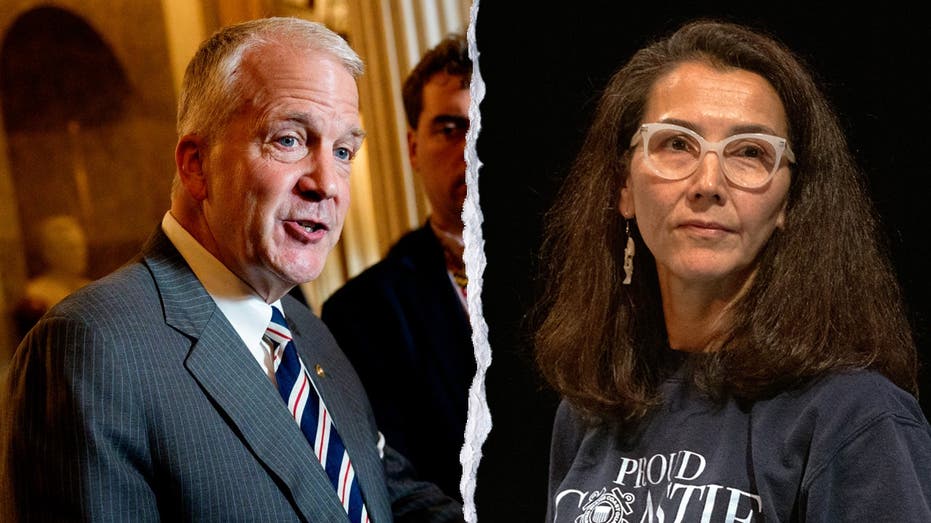
Sen. Dan Sullivan, R-Alaska, and former Rep. Mary Peltola traded blows Thursday night in the final debate of a Senate race that has surprised some political observers with how close it has become. The latest Fox News Power Rankings rate Alaska’s Senate race as a “toss-up,” meaning neither party has an edge. Alaska has historically favored the GOP, though the party’s margin of victory has narrowed in recent cycles. Sullivan and Peltola clashed over energy costs, the Iran war, Social Security reform, healthcare policy, military spending, allegations of misconduct and fish, among other topics, but a handful of exchanges stood out from the rest. GOP SENATOR, EX-HOUSE DEM EMERGE FROM ALASKA’S ‘JUNGLE PRIMARY’ DESPITE FAR-LEFT MEDDLING Throughout the debate, Peltola attacked Sullivan for being a D.C. insider and using his position to enrich himself and his allies. Sullivan attempted to rebut her claims by pointing to Peltola’s extensive lobbying career after her time in office, accusing her of cashing in by selling influence. “My opponent keeps talking about corporate greed again; she defines the rigged system in D.C.,” Sullivan said. “There’s nothing more rigged than a member of Congress getting fired and then immediately walking through the revolving door to cash in. She made almost half a million last year as a D.C. lobbyist selling her knowledge of D.C. She did it when she left the state legislature; she set up a lobbying firm.” “You’re walking through the revolving door so much, you must be getting dizzy up here,” he quipped. Peltola responded by saying that her lobbying work was done to benefit Alaskans and highlighting how Sullivan has gotten wealthier since coming to Washington. “Dan’s been in D.C. for 12 years and gotten richer every single one of those years. That’s the corruption that Alaskans are really sick of, and that’s the corruption that I’ll fight against. Dan went to D.C. with $3 million. He now has $8 million,” she said. “Dan’s doing just fine watching out for himself.” After Peltola responded to a question about how she would work to improve affordability for Alaskans if elected to the Senate while appearing to read from a piece of paper, Sullivan questioned whether she had received a copy of the debate questions in advance. “Here’s a moderator question, we weren’t supposed to get these questions beforehand, were we?” Sullivan asked. “No, sir,” one moderator responded. “Neither one of you got questions beforehand,” the other moderator said. “Absolutely not.” CARVILLE MOCKS DEM CANDIDATE STAFFERS AS ‘WEAK’ AND ‘SOFT’ FOR COMPLAINING ABOUT TREATMENT TO NEW YORK TIMES “I’m just watching my opponent read questions that seem to be answered,” the senator said. After Sullivan brought up a New York Times report airing complaints from anonymous staffers alleging that Peltola physically and verbally mistreated her employees, the Democrat lashed out at the incumbent senator, prompting moderators to interject. “Look, my opponent has been telling lies throughout this entire campaign, and it’s revealed character challenges. But it’s not just the lies. Take a look at how she treats Alaskans when the cameras are off,” Sullivan said. “Look at that New York Times story. She treats young Alaskans horribly. 25 staffers quit on Mary Peltola because she abused them physically and emotionally, and then she slanders every other group — African Americans, special needs individuals. It is a character flaw of my opponent.” Sullivan’s statement prompted Peltola to attempt to cut him off, calling the reports “gossip” and “unfounded.” “Let’s have some decorum here,” a moderator said, after Peltola began to interrupt Sullivan, who was speaking past his allotted time. Though Peltola’s campaign disputed several of the allegations, including claims that she used slurs and shoved a young staffer, her spokesman said some of her behavior came during a period of extreme grief after the deaths of her mother and husband in 2023. DEM SENATE HOPEFUL RACKED UP HUNDREDS OF MISSED VOTES DURING STOPS AT MULTIPLE TAXPAYER SERVING JOBS SIGN UP TO GET THE POLITICS NEWSLETTER Another heated moment came after Sullivan accused Peltola of blocking pay for members of the armed services over access to transgender medical procedures. “My opponent did vote against our military, did vote against pay raise for our troops, because she wanted more transgender surgeries for our troops. I mean, that is an outrage,” the senator said. “I need to rebut that, that is absurd,” Peltola interjected. “Yeah. I think that Alaskans have had it up to here with the lying and the dishonesty. Dan, you should be ashamed of yourself for propagating these lies,” the Democrat responded. “The first time I voted on the NDAA, there was trick language in there that would have prohibited our soldiers from getting health care that they needed if they were not stationed in a state that didn’t allow for women’s reproductive health care. I’m not doing that to our soldiers. But three other times I voted hard yes, in support of our troops.” Near the end of the debate, each candidate was asked to say one nice thing about their opponent. “Well, my wife invited Mary to attend my Marine Corps retirement ceremony after 30 years, and they honored me, but they honored my wife and daughters more than anybody at my retirement ceremony … and Mary Peltola attended, so I thank her for that,” Sullivan said. “Yeah, that was a lovely, lovely service. And I was so proud to be there. And one, you know, three wonderful attributes of Dan and Julie are their lovely daughters. So that’s three lovely things I can say about Dan and Julie,” said Peltola.